Programmed Interface Compression
Turn experience into infrastructure.
Programmed Interface Compression finds the hidden structure inside repeated work, removes unnecessary repetition, and builds what works into shared state -- so less instruction produces more capability.
01
Programmed Interface Compression
The idea / Programmed Interface Compression
Repeated work contains triggers, decisions, exceptions, and handoffs that nobody documented as one system. Programmed Interface Compression (PIC) makes those cause-and-effect relationships visible, removes unnecessary steps and repetition, and builds what works into an engineered, evolving codebook.
Watch Make Messages Smaller
02
Recent Releases

The Assembled Worker / Video / September 2026
GPT-OSS 20B: the Q3-to-Q4 boundary
Five installed packages, four machine configurations, and preserved prompt responses. See what changed at the output, where Q3 still won, and what the results do not prove.
HMIC Studio / Book / September 2026
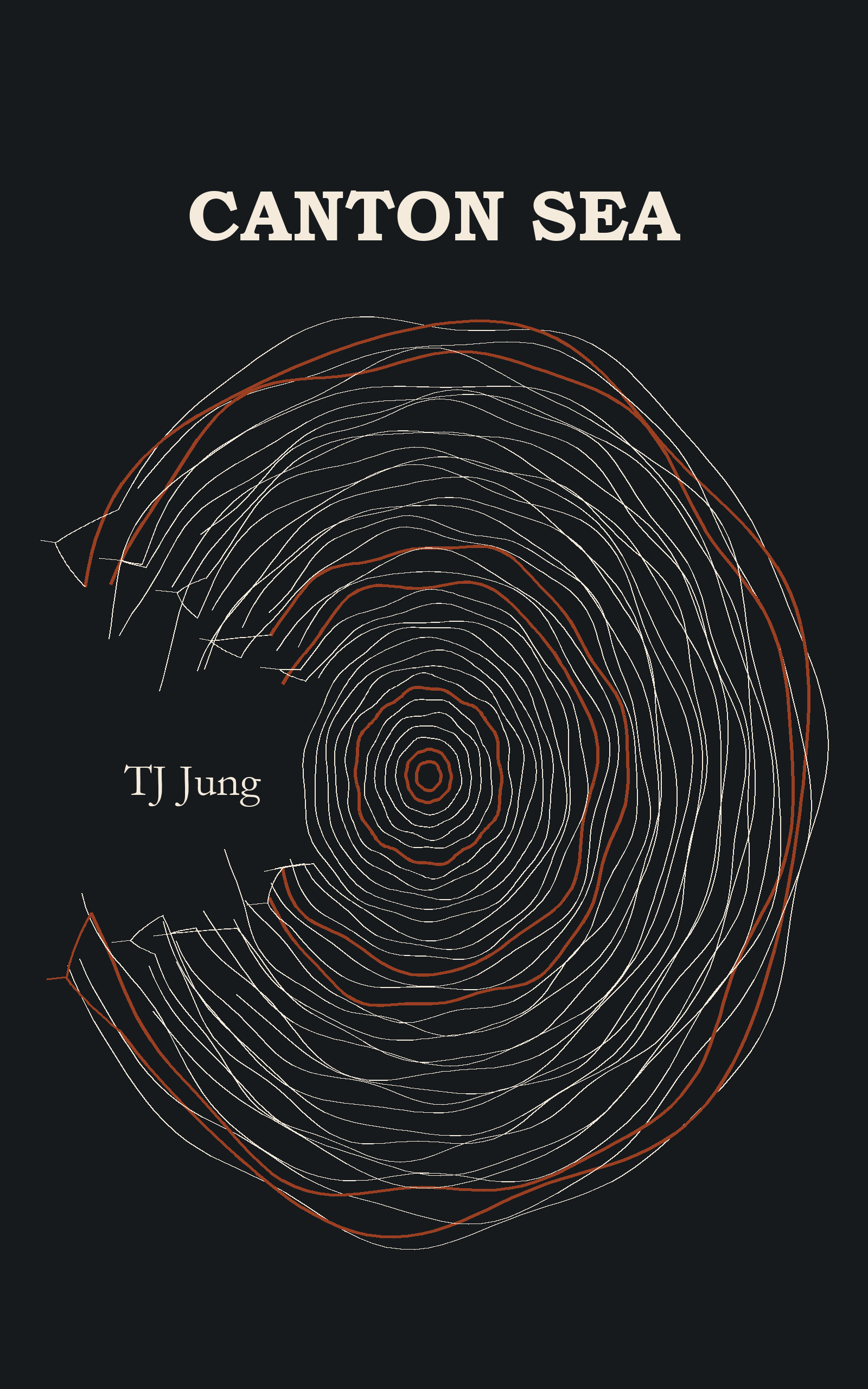
Canton Sea
TJ Jung's first nonfiction book develops a practical theory of human-AI signal-chain identity across thirty-eight short chapters. Available in paperback and Kindle editions.

The Assembled Worker / Video / September 2026
Spark X2.5 4B: reasoning budget changes the result
On one fixed test, a budget setting moved accuracy from 24% to 79%. The video shows the measured boundary and why unfinished reasoning can make a capable model unusable.

The Assembled Worker / Video / September 2026
Qwen3.6-35B: Q4 versus Q6
In our installed comparison, Q4 ran nearly three times faster while retaining about 98% of the measured quality. A concrete example of why the useful quant is not always the largest one.
03
The operator and the studio.
HMIC is an independent research and publishing studio.
HMIC builds inspectable human-AI systems, tests local models in complete working configurations, and publishes the resulting software, benchmarks, videos, and books.
The public artifacts are part of the method: finished work makes the underlying system inspectable.
TJ Jung
TJ Jung is HMIC's founder, a systems architect, and a Senior AI Implementation Engineer specializing in pipeline automation and model routing.
His practice draws from audio engineering, pharmaceutical manufacturing, PC overclocking, CRM system design, and production AI systems.